
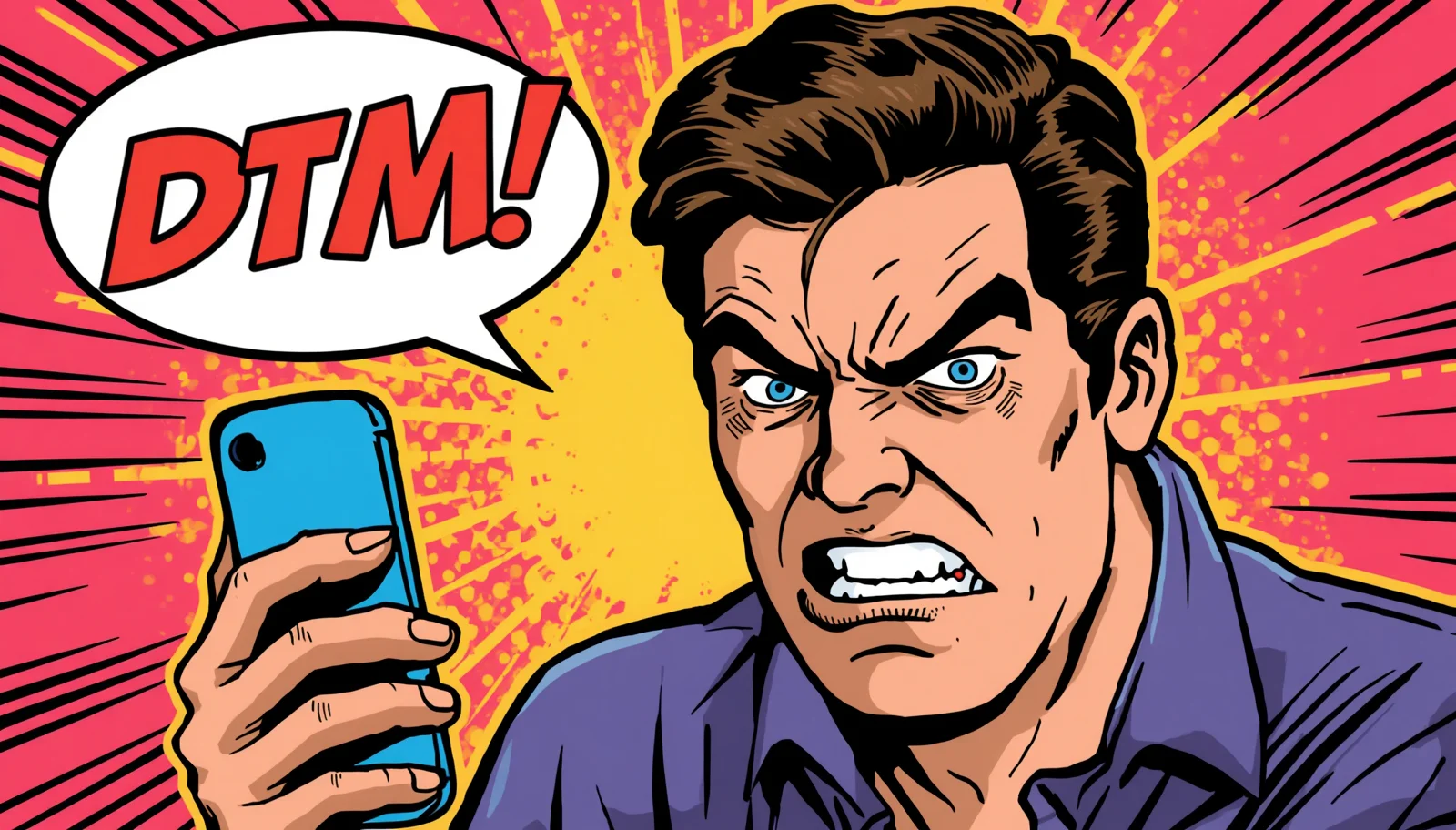
DTTM meaning in text is becoming more popular in online chats, social media messages, and texting conversations. Many users notice the abbreviation “DTTM” in comments, captions, or DMs and wonder what it actually means. Like many internet slang terms, DTTM is mainly used to make communication faster and more casual.
DTTM Meaning in Text and Its Definition
DTTM meaning in text usually stands for “Don’t Talk To Me.” People use it when they feel annoyed, upset, emotional, or simply want space from a conversation.
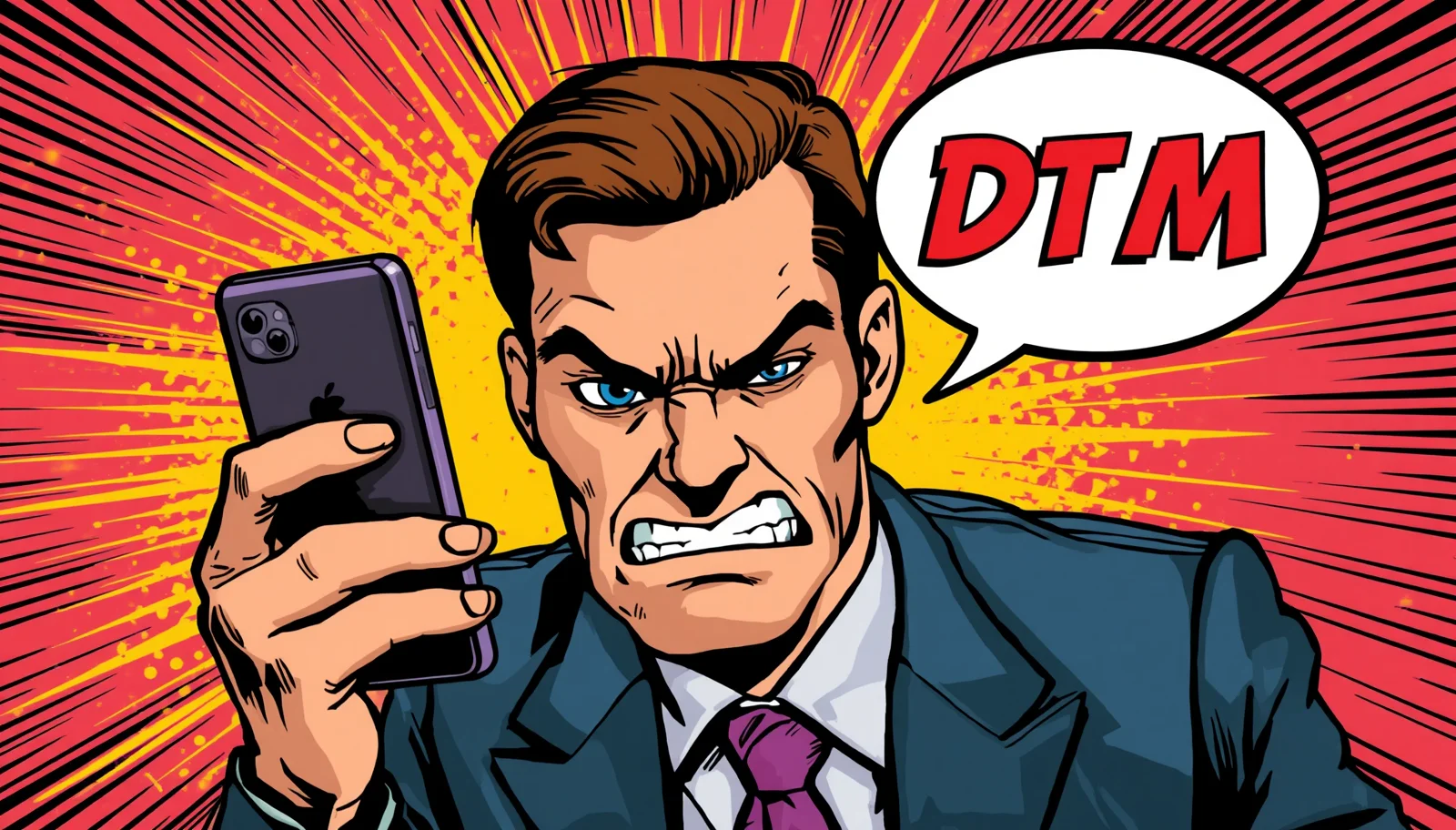
Examples of DTTM in Text Messages
- “I’m so angry right now, dttm.”
- “Bad day today… dttm.”
- “Please dttm for a while.”
The meaning can sound serious, emotional, or sometimes playful depending on the tone.
Background and Origin of DTTM Meaning in Text
Internet slang became popular because people wanted quicker ways to express emotions online. Over time, abbreviations started replacing full sentences in chats and social media conversations.
As texting culture grew, emotional phrases like DTTM became common because they quickly communicate mood and feelings without typing long explanations.
Today, abbreviations like DTTM are commonly seen in:
- texting apps
- social media captions
- online group chats
- gaming communities
- reaction posts
Usage of DTTM Meaning in Text in Different Situations
Emotional Conversations
People use DTTM when feeling upset or frustrated.
Example:
- “Everything is stressing me out, dttm.”
Playful Conversations
Sometimes friends use it jokingly after teasing each other.
Example:
- “You spoiled the ending? dttm 😂”
Social Media Posts
Users may post DTTM captions when expressing mood or frustration.
Example:
- “One of those days… dttm.”
Relationship Chats
DTTM may appear during arguments or emotional discussions.
Example:
- “I need space right now, dttm.”
Common Misunderstandings About DTTM Meaning in Text
Some users misunderstand DTTM because tone changes the meaning completely.
Important things to remember:
- Context matters
- Emojis can soften the tone
- It may be serious or playful
For example:
- “dttm 😂” sounds joking
- “dttm.” sounds serious
Similar Slang Terms Related to DTTM Meaning in Text
Related Acronyms
- IDC – I Don’t Care
- IDK – I Don’t Know
- GTG – Got To Go
- BRB – Be Right Back
Alternative Expressions
- “Leave me alone.”
- “I need space.”
- “Not in the mood.”
- “Talk later.”
These phrases carry similar emotional meanings.
Best Replies to DTTM Meaning in Text
Caring Replies
- “Hope you’re okay.”
- “Take your time.”
- “I’m here if you need me.”
Funny Replies
- “Too late 😂”
- “Message received.”
- “I’ll disappear now.”
Neutral Replies
- “Okay.”
- “Talk later.”
- “Understood.”
Regional Differences in DTTM Meaning in Text
The meaning of DTTM is mostly the same worldwide, but younger internet users understand it more easily than older audiences. It is especially common in emotional social media posts and casual texting culture.
DTTM Meaning in Text Compared to Similar Terms
DTTM vs IDC
DTTM asks for space, while IDC shows lack of interest or concern.
DTTM vs GTG
DTTM expresses mood or emotion, while GTG simply means someone needs to leave.
When to Use Them
- Use DTTM when upset or needing space
- Use IDC for indifference
- Use GTG when ending a conversation quickly
DTTM Meaning in Text on Social Media and Dating Apps
Social media and dating apps use emotional slang frequently. Apps like Tinder and Bumble often include casual abbreviations during conversations.
Examples:
- “You ignored me all day… dttm.”
- “Bad mood today, dttm.”
These phrases help users express emotions quickly.
Hidden Meanings Behind DTTM Meaning in Text
DTTM usually means someone wants space or feels emotional, but tone can completely change how the message feels.
To avoid misunderstandings:
- pay attention to emojis
- understand the conversation
- avoid overreacting immediately
Is DTTM Meaning in Text Professional?
DTTM is informal internet slang and should not be used in professional communication. Workplace chats and business emails should remain polite and professional instead of using emotional abbreviations.
Regional or Cultural Differences
Internet Slang Varies by Region
Although DTTM is widely understood online, its popularity differs between countries and communities.
English-speaking online communities use it more frequently than non-English groups.
Younger Users Use It More Often
Teenagers and Gen Z users are more familiar with DTTM than older audiences.
Younger users often communicate using:
- Acronyms
- Emojis
- Memes
- Reaction slang
Older generations may prefer complete sentences instead.
Online vs Offline Communication
DTTM is mainly used online and rarely spoken aloud.
People usually encounter it in:
- Text messages
- Social media
- Gaming chats
- Meme culture
- Private messaging apps
Comparison with Similar Terms
| Acronym | Meaning | Tone | Common Use |
|---|---|---|---|
| DTTM | Don’t Talk To Me | Emotional | Annoyance or joking frustration |
| IDC | I Don’t Care | Dismissive | Lack of interest |
| SMH | Shaking My Head | Disappointed | Reacting to something silly |
| DND | Do Not Disturb | Neutral | Wanting privacy |
| GTFO | Get The F*** Out | Aggressive/Funny | Shock or anger |
Key Difference
DTTM is more emotionally personal because it directly addresses another person.
Unlike neutral slang, it often reflects feelings or reactions.
Usage in Online Communities & Dating Apps
Dating Apps
On apps like:
- Tinder
- Bumble
- Hinge
people may use DTTM playfully during flirting or teasing.
Example
- “You replied after 12 hours? DTTM.”
This often sounds playful rather than genuinely angry.
Meme Culture
Meme pages frequently use DTTM after relatable situations.
Example
- “When your alarm rings on Monday morning: DTTM.”
This usage focuses on humor and exaggerated emotion.
Gaming Servers & Group Chats
In gaming communities, DTTM appears after:
- Losing matches
- Bad teamwork
- Funny fails
- Competitive frustration
Hidden or Offensive Meanings
Is DTTM Offensive?
Usually, no.
However, context matters.
If used aggressively or repeatedly, it can sound:
- Rude
- Dismissive
- Emotionally harsh
When It Can Be Misunderstood
Problems happen when:
- Tone is unclear
- No emojis are used
- Relationship context is missing
- Someone takes the message literally
Example
“DTTM 😂” feels playful.
“DTTM.” may feel cold or serious.
Communication Safety Tips
If you think someone is genuinely upset:
- Avoid escalating the argument
- Ask for clarification politely
- Give them space if needed
Digital communication often lacks emotional cues, so misunderstandings are common.
Suitability for Professional Communication
Is DTTM Formal?
No.
DTTM is highly informal internet slang and should generally be avoided in professional communication.
Where You Should NOT Use It
Avoid DTTM in:
- Business emails
- Workplace chats
- Client communication
- School assignments
- Professional networking
Using slang in formal settings can appear immature or disrespectful.
Better Professional Alternatives
Instead of DTTM, try:
- “I need some time.”
- “Let’s continue this later.”
- “I’m currently unavailable.”
- “Can we discuss this another time?”
These responses sound more respectful and professional.
Why DTTM Became Popular Online
Emotional Communication Is Trending
Modern internet culture values fast emotional expression.
Short acronyms help users:
- React instantly
- Sound relatable
- Add humor
- Create dramatic effect
DTTM works well because it expresses frustration quickly without typing a full sentence.
Meme & Reaction Culture
Reaction-based communication dominates platforms like:
- TikTok
- X
Users prefer short emotional phrases that fit easily into captions and comments.
Simplicity & Speed
The easier an acronym is to understand, the more likely it spreads.
DTTM is:
- Easy to type
- Easy to remember
- Emotionally expressive
- Flexible in tone
That flexibility helped increase its popularity online.
Examples of DTTM in Real-Life Text Conversations
Example 1: Funny Conversation
Friend 1:
- “I ate your chocolate.”
Friend 2:
- “DTTM 😂”
Example 2: Romantic Chat
Person 1:
- “I forgot our anniversary.”
Person 2:
- “DTTM right now.”
Example 3: Gaming Chat
Player 1:
- “Oops, friendly fire.”
Player 2:
- “DTTM bro.”
Example 4: Social Media Caption
- “Me after embarrassing myself in public: DTTM.”
Should You Use DTTM?
When It’s Okay
You can use DTTM:
- With close friends
- In casual texting
- In meme culture
- During playful conversations
When to Avoid It
Avoid it:
- In professional settings
- During serious emotional conflicts
- With people unfamiliar with internet slang
- In formal communication
Understanding your audience matters.
FAQs
What does DTTM mean in text messages?
DTTM meaning in text usually stands for “Don’t Talk To Me,” which people use when they feel upset, annoyed, emotional, or want space.
Is DTTM a rude slang term?
Not always. Sometimes it sounds serious, but friends also use it jokingly or sarcastically in casual conversations.
Where is DTTM commonly used?
DTTM is commonly used on Snapchat, TikTok, Instagram captions, texting apps, and online chats.
Can DTTM be used jokingly?
Yes, many people use DTTM playfully with emojis or funny tones during conversations with friends.
Should I use DTTM in professional communication?
No, DTTM is informal slang and may appear rude or unprofessional in workplace communication.
How should I reply to DTTM?
The best reply depends on the tone. Caring responses like “Take your time” or funny replies like “Too late 😂” are commonly used.
Conclusion
DTTM meaning in text usually stands for “Don’t Talk To Me” and is used to express emotions, frustration, or the need for space during online conversations. The slang is popular on social media, texting apps, and casual chats because it quickly communicates feelings.