
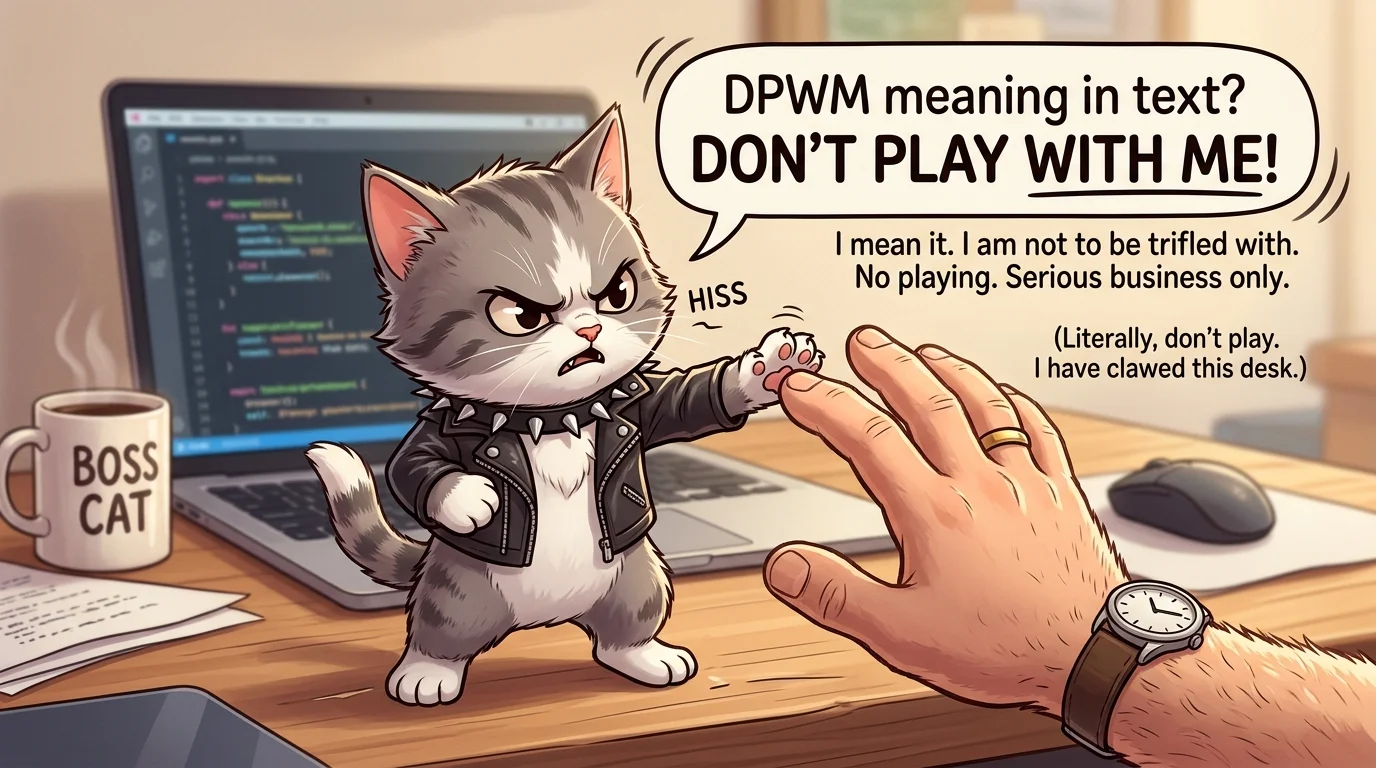
DPWM meaning in text is a modern internet slang term that many people notice in social media captions, online chats, and texting conversations. Because internet slang changes quickly, users often become curious when they see abbreviations like “DPWM” in messages or comments. Like many texting shortcuts, DPWM helps people communicate emotions and attitudes faster during online conversations. Apps like Snapchat, TikTok, and Instagram have made internet slang terms more popular than ever among younger audiences. Understanding abbreviations like DPWM helps users better understand modern digital communication and online culture.
DPWM Meaning in Text and Its Definition
DPWM meaning in text usually stands for “Don’t Play With Me.” People use it to sound serious, emotional, warning-like, or playful depending on the tone of the conversation.
Examples of DPWM in Text Messages
- “I’m being serious, dpwm.”
- “You better stop 😂 dpwm.”
- “Don’t lie to me, dpwm.”
The abbreviation can sound playful, emotional, or slightly aggressive depending on context.
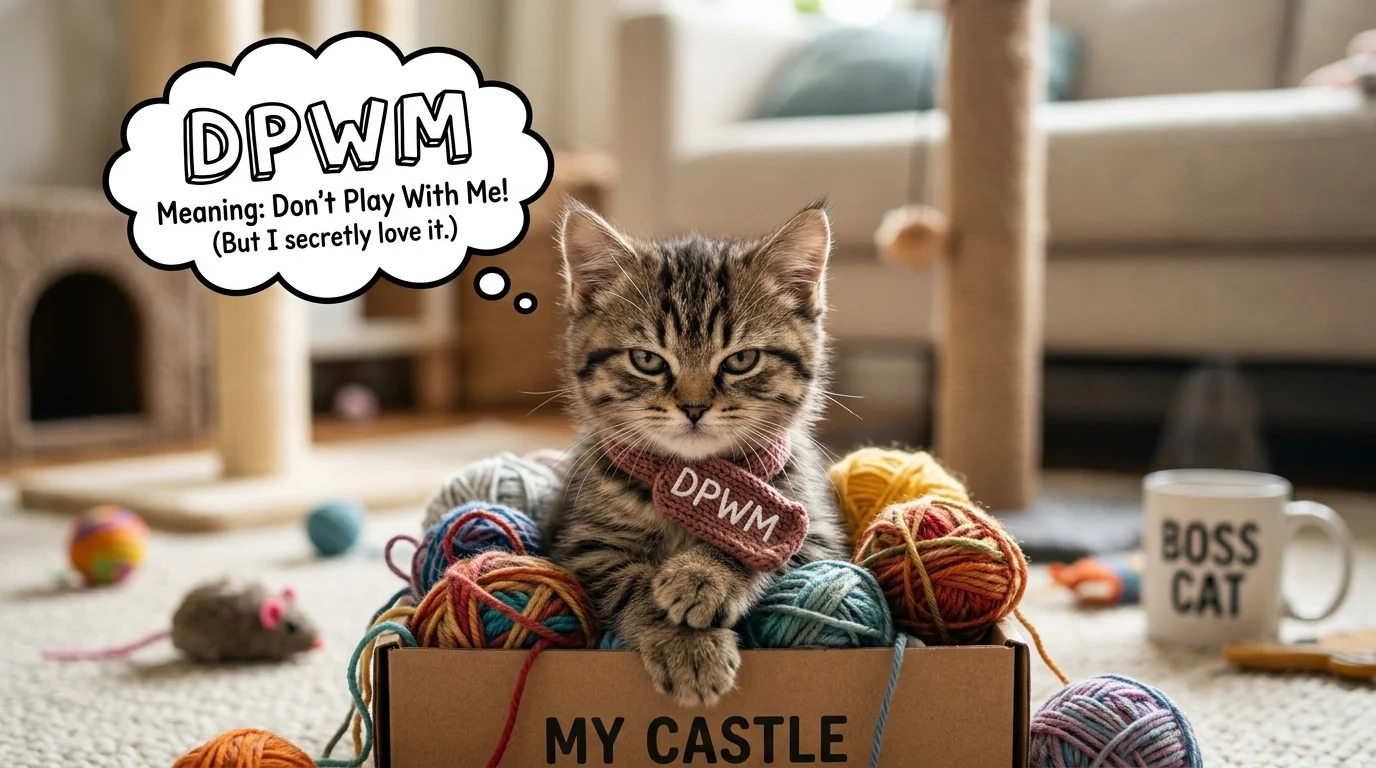
Background and Origin of DPWM Meaning in Text
Internet slang became popular because users wanted faster and shorter communication online. As texting culture evolved, emotional phrases were shortened into abbreviations to save time and add style to conversations.
DPWM became common especially in:
- texting conversations
- social media captions
- relationship discussions
- meme culture
- online arguments
Today, the slang is widely recognized by younger social media users.
Usage of DPWM Meaning in Text in Different Situations
Serious Conversations
People use DPWM when they want others to know they are serious.
Example:
- “I really mean it, dpwm.”
Flirty Conversations
DPWM can also sound playful or teasing in romantic chats.
Example:
- “You’re making me jealous, dpwm 😭”
Social Media Captions
Users add DPWM to emotional or dramatic posts.
Example:
- “Life been testing me lately, dpwm.”
Arguments or Warnings
Sometimes DPWM is used during frustration or conflict.
Example:
- “Stop spreading rumors, dpwm.”
Common Misunderstandings About DPWM Meaning in Text
Some users may misunderstand DPWM because the tone changes depending on emojis, punctuation, and context.
Important things to remember:
- DPWM usually means “Don’t Play With Me”
- It may sound serious or joking
- Emojis can soften the meaning
For example:
- “dpwm 😂” sounds playful
- “DPWM.” sounds more serious
Similar Slang Terms Related to DPWM Meaning in Text
Related Acronyms
- FR – For Real
- SMH – Shaking My Head
- IDC – I Don’t Care
- NGL – Not Gonna Lie
Alternative Expressions
- “I’m serious.”
- “Don’t test me.”
- “Stop playing.”
- “Be honest.”
These phrases have similar emotional tones in texting conversations.
Best Replies to DPWM Meaning in Text
Funny Replies
- “Okay okay 😂”
- “Why so serious?”
- “Relax, I’m joking.”
Casual Replies
- “I hear you.”
- “Alright calm down.”
- “Got it.”
Flirty Replies
- “Maybe I like teasing you 😏”
- “You’re cute when angry.”
- “I’ll behave 😂”
Regional Differences in DPWM Meaning in Text
The meaning of DPWM is mostly the same worldwide in internet slang culture. However, younger users and active social media audiences understand and use it more frequently than older audiences.
DPWM Meaning in Text Compared to Similar Terms
DPWM vs FR
DPWM sounds more emotional or serious, while FR mainly confirms honesty or truth.
DPWM vs IDC
DPWM expresses seriousness or warning, while IDC shows lack of concern.
When to Use Them
- Use DPWM for emotional emphasis
- Use FR for honesty
- Use IDC for indifference
DPWM Meaning in Text on Social Media and Dating Apps
Social media platforms and dating apps commonly use emotional slang and abbreviations. Apps like Tinder and Instagram often feature DPWM in captions, DMs, and relationship conversations.
Examples:
- “You really forgot my birthday? dpwm 😭”
- “Don’t disappear on me, dpwm.”
These phrases help conversations feel emotional and expressive.
Hidden Meanings Behind DPWM Meaning in Text
DPWM usually has a direct emotional meaning, but tone can completely change interpretation. Sometimes it sounds playful, while other times it may sound aggressive or confrontational.
To avoid misunderstandings:
- pay attention to emojis
- understand the relationship dynamic
- avoid using it too harshly
Is DPWM Meaning in Text Professional?
DPWM is informal internet slang and should never be used in professional communication. Workplace emails and formal conversations should remain respectful and professional instead of using emotional abbreviations.
How to Respond to “DPWM”
Your reply depends on the emotional tone of the conversation.
Friendly Replies
- “I’m serious 😂”
- “Relax lol.”
- “I would never.”
Romantic Replies
- “You know I mean it ❤️”
- “Why are you so cute?”
- “I’m being honest.”
Neutral Replies
- “I’m serious.”
- “Okay.”
- “I understand.”
Funny Replies
- “Too late, already playing 😂”
- “Professional troll behavior.”
- “Caught me.”
Regional or Cultural Differences
Internet Slang Varies by Community
DPWM is more common in English-speaking online communities, especially among Gen Z and social media users.
Different groups may:
- Interpret tone differently
- Use different slang
- Prefer different abbreviations
Youth Slang vs Formal Communication
Younger audiences are much more familiar with abbreviations like DPWM.
Older users often prefer:
- Full sentences
- Clear communication
- Less slang-heavy conversations
Online vs Offline Usage
DPWM is mostly used online rather than spoken aloud.
It commonly appears in:
- Text messages
- Social media comments
- Group chats
- Gaming conversations
- DMs
Comparison with Similar Terms
| Acronym | Meaning | Tone | Main Usage |
|---|---|---|---|
| DPWM | Don’t Play With Me | Emotional | Serious or dramatic reactions |
| DTTM | Don’t Talk To Me | Frustrated | Wanting distance |
| SMH | Shaking My Head | Disappointed | Reacting negatively |
| IDC | I Don’t Care | Dismissive | Showing indifference |
| FR | For Real | Serious | Confirming truth |
Main Difference
DPWM directly challenges or questions someone’s seriousness, while other slang terms focus more on reactions or opinions.
It often feels more emotionally intense.
Usage in Online Communities & Dating Apps
Dating Apps
On apps like:
- Tinder
- Bumble
- Hinge
DPWM is commonly used during:
- Flirting
- Emotional teasing
- Relationship jokes
- Surprise reactions
Example
- “You actually like me? DPWM ❤️”
This creates playful emotional tension.
Social Media Usage
People use DPWM in:
- Comments
- Captions
- Story replies
- DMs
- Memes
Especially during dramatic or relatable conversations.
Gaming Communities
Gamers often use DPWM after:
- Losing
- Betrayal in-game
- Troll behavior
- Competitive moments
The phrase fits naturally into emotional online reactions.
Hidden or Offensive Meanings
Is DPWM Offensive?
Not usually.
However, tone matters heavily.
Depending on context, DPWM may sound:
- Aggressive
- Confrontational
- Dramatic
- Emotionally intense
Potential Misunderstandings
Confusion happens when:
- Tone is unclear
- Emojis are missing
- Messages feel too short
- Someone interprets it literally
Example
- “DPWM 😂” sounds playful.
- “DPWM.” may sound angry.
Communication Advice
To avoid misunderstandings:
- Use emojis when joking
- Match the tone of the conversation
- Avoid overusing emotionally intense slang
Digital communication depends heavily on context clues.
Suitability for Professional Communication
Is DPWM Formal?
No.
DPWM is highly informal internet slang and should not be used professionally.
Where You Should Avoid Using DPWM
Avoid DPWM in:
- Business emails
- Workplace chats
- Professional networking
- Academic writing
- Client communication
The phrase may sound disrespectful or emotionally aggressive.
Better Professional Alternatives
Instead of DPWM, use:
- “Please be serious.”
- “I want clarification.”
- “Are you being serious?”
- “Let’s discuss this clearly.”
These sound more professional and respectful.
Why DPWM Became Popular Online
Emotional Communication Trends
Modern internet culture values:
- Emotional reactions
- Dramatic humor
- Relatable expressions
- Fast communication
DPWM combines all these elements effectively.
Meme & Reaction Culture
Social media platforms encourage dramatic and exaggerated communication styles.
Platforms like:
- TikTok
- X
helped phrases like DPWM spread rapidly through memes and reaction content.
Easy to Type & Understand
DPWM became popular because it is:
- Short
- Emotional
- Memorable
- Flexible in tone
That simplicity helped it grow quickly online.
Real-Life Examples of DPWM in Conversations
Example 1: Friendly Chat
Friend:
- “I accidentally broke your headphones.”
Reply:
- “DPWM 😂”
Example 2: Romantic Conversation
Person 1:
- “I miss you.”
Person 2:
- “DPWM ❤️”
Example 3: Social Media Comment
Post:
- “I met my favorite singer today.”
Comment:
- “DPWM 😭”
Example 4: Gaming Chat
Player:
- “I stole your kill.”
Teammate:
- “DPWM bro.”
Should You Use DPWM?
When It’s Appropriate
DPWM works well:
- In casual texting
- During playful conversations
- On social media
- With close friends
- In memes and reaction posts
When to Avoid It
Avoid DPWM:
- Professionally
- During serious arguments
- In formal writing
- With people unfamiliar with slang
Understanding your audience matters.
FAQs
What does DPWM mean in text messages?
DPWM meaning in text usually stands for “Don’t Play With Me,” which people use to sound serious, emotional, or playful during conversations.
Is DPWM a serious slang term?
Sometimes. DPWM can sound serious or joking depending on the tone, emojis, and context of the conversation.
Where is DPWM commonly used?
DPWM is commonly used on Snapchat, TikTok, Instagram captions, and texting conversations.
Can DPWM be used in flirty conversations?
Yes, many people use DPWM playfully during teasing or romantic online chats.
Does DPWM sound aggressive?
It can sometimes sound intense if used without emojis or in serious arguments, so context matters a lot.
Should I use DPWM in professional communication?
No, DPWM is informal slang and is not appropriate for workplace or business communication.
Conclusion
DPWM meaning in text usually stands for “Don’t Play With Me” and is commonly used to express seriousness, emotion, teasing, or frustration during online conversations. The slang became popular through texting culture and social media because it helps users communicate feelings quickly and dramatically.